
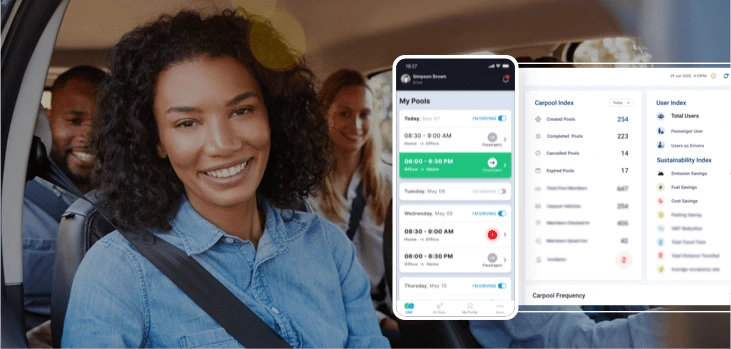
A corporate carpool program can offer a range of benefits to businesses, including cost savings, environmental impact reduction, improved employee satisfaction, and a positive corporate image. It can contribute to a more sustainable and efficient transportation system while positively impacting the organisation and its employees. However, Implementing a corporate carpool program needs planning and several considerations. Here is a step-by-step guide to help companies establish a corporate carpool program:
1. Assess Feasibility and Goals:
-
Evaluate the feasibility of a carpool program based on factors like employee commuting patterns, geographic locations, and parking availability.
-
Define clear goals for the program, such as reducing carbon emissions, alleviating parking congestion, or promoting employee well-being.
2. Form a Carpool Program Team:
-
Assemble a dedicated team responsible for implementing and managing the carpool program.
-
Include representatives from relevant departments like HR, facilities, and transportation, as well as enthusiastic employees interested in promoting sustainable commuting.
3. Establish Program Scope:
-
Determine the target audience for the program (e.g., all employees or specific departments).
-
Decide if the program will be mandatory or voluntary.
-
Set the geographic boundaries and commuting distances covered by the carpool program.
4. Research and Establish Policies:
-
Research existing carpool programs and best practices to inform your program’s structure.
-
Develop program policies, guidelines, and eligibility criteria for participating employees.
-
Define carpool formation and dissolution processes, scheduling arrangements, cost-sharing rules, and safety guidelines.
5. Secure Management Support:
-
Present the carpool program proposal to management, emphasizing its benefits and alignment with the company’s goals.
-
Obtain necessary approvals and secure support from management to allocate resources for the program.
6. Promote the Carpool Program:
-
Launch a comprehensive communication campaign to create awareness and promote the program.
-
Use various channels, such as email newsletters, company intranet, posters, and internal meetings, to educate employees about the program’s benefits, eligibility, and how to participate.
7. Provide Incentives:
-
Offer incentives to encourage employees to participate in the carpool program.
-
Consider benefits like preferred parking spots, financial incentives, rewards, or recognition for active participants.
-
Ensure that incentives are communicated clearly and regularly to maintain employee engagement.
8. Facilitate Carpool Matching:
-
Explore corporate carpooling platforms or software solutions that facilitate the matching of potential carpool partners based on location and schedules.
-
Consider factors like commuting routes, schedules, and preferences when matching employees.
9. Address Safety and Liability:
-
Develop safety guidelines and policies to ensure a secure carpooling experience.
-
Provide guidelines on driver qualifications, vehicle maintenance requirements, insurance coverage, and liability issues.
-
Consult legal and insurance experts to ensure compliance with local regulations and address potential concerns.
10. Evaluate and Refine:
-
Regularly assess the effectiveness of the carpool program through surveys, feedback mechanisms, and data analysis.
-
Continuously refine the program based on feedback, changing needs, and evolving employee preferences.
-
Explore opportunities for improvement and expansion, such as integrating carpooling with other sustainable transportation initiatives.
11. Sustain Program Momentum:
-
Maintain ongoing communication and support for participants.
-
Celebrate milestones, recognize the positive impact of the program, and share success stories to sustain enthusiasm.
-
Encourage employee advocacy by empowering carpool participants to promote the program among their peers.
12. Incentives and Rewards:
-
Design an incentive program to motivate employees to participate in the carpool program. This can include preferred parking spots, financial incentives, rewards, or recognition for active carpool participants.
-
Explore potential partnerships with local businesses to offer discounts or incentives to carpoolers.

Remember that each company’s carpool program may have specific considerations and requirements. Customization is crucial to align the program with your organisation’s culture, resources, and objectives. Regularly monitor and adapt the program to ensure its long-term success and benefits for employees and the company as a whole.




Nitin Lahoti is the Co-Founder and Director at Mobisoft Infotech. He has 15 years of experience in Design, Business Development and Startups.